Rethinking Patient Loyalty: How Direct-to-Patient Ecosystems and AI Are Reshaping Chronic Care

Rethinking Patient Loyalty: How Direct-to-Patient Ecosystems and AI Are Reshaping Chronic Care

Ira von Arnim Insights Ira von Arnim Insights

Key Takeaways

In a recent smartpatient webinar, Creating Patient Loyalty Through Integrated Direct-to-Patient Ecosystems, pharma leaders examined what it truly takes to build lasting patient relationships in chronic care.

Rather than focusing on tactics, the discussion centered on structural design: how pharma should architect long-term engagement when patients navigate years of complexity and evolving needs.

During the discussion, Ira von Arnim, Chief Commercial Officer at smartpatient, shared his perspective on patient loyalty, integrated DTP ecosystems, and the growing role of AI in patient support.

Below, Ira expands on that perspective.

Patient Loyalty Is a Design Decision, not a Campaign


In chronic care, loyalty cannot be reduced to engagement metrics or short-term activation spikes. Patients live with their conditions for years, sometimes decades. The systems designed to support them need to reflect that reality.

Yet many digital health initiatives still focus on isolated moments: onboarding flows, reminder intensity, or early adherence interventions. These are important, but they represent only fragments of a much longer journey.

From my perspective, patient loyalty emerges when support feels continuous rather than episodic. Patients need to experience coherence across stages of care. The ecosystem supporting them must evolve with their needs rather than reset at every milestone.

This changes how I believe pharma should think about direct-to-patient (DTP) investment.

The question should no longer be:
“How do we increase engagement this quarter?”

It should be:
“How do we design continuity across the full care trajectory?”


From Siloed Tools to Integrated Ecosystems

In my conversations with pharma partners, the core challenge is rarely the absence of digital tools. Pharma has invested significantly in education portals, adherence apps, reminder systems, and disease-awareness platforms. The challenge is integration.

Each tool addresses a specific friction point. But patients do not experience healthcare in fragments, they experience one continuous journey. When digital solutions remain siloed, they risk replicating the very fragmentation they are meant to solve.

An integrated ecosystem changes that dynamic.

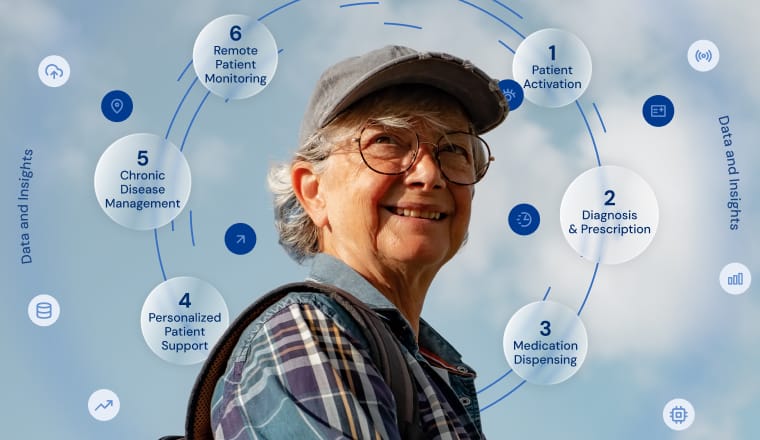
When education, medication management, behavioral reinforcement, and clinician preparation are connected within a structured environment, support becomes continuous. Drop-off decreases not because systems react faster to disengagement, but because the friction that causes disengagement is removed in the first place.


Want the full strategic framework behind this shift? Watch the webinar recording to explore how integrated DTP ecosystems can be designed for long-term continuity.


Timing Matters: Reaching Patients Before Prescription


Another pattern I often see is that patient engagement initiatives begin too late.

In many therapeutic areas, patients spend years navigating symptoms before receiving a diagnosis. Deploying DTP strategies only at the prescription stage means entering the journey after many decisions and perceptions have already formed.

Take obesity and GLP-1 therapy as an example. Patients frequently conduct extensive research before initiating treatment. By the time therapy begins, expectations about effectiveness, side effects, and lifestyle impact are already shaped.

Earlier activation supported by intelligent data use and accessible digital entry points can strengthen health literacy, clarify treatment pathways, and prepare patients for more productive conversations with their clinicians. But early awareness alone is not enough.

If patients enter a digital ecosystem, that ecosystem must remain relevant as their needs evolve. Continuity is what transforms early engagement into lasting trust.

AI Is Reshaping the Front Door to Healthcare


Another major shift is happening in how patients access information.

Large language models are increasingly becoming the first stop when people explore symptoms, treatment options, or potential side effects. This changes where trust is formed and how medical information must be structured. Within integrated patient ecosystems, AI can play a different role.

Rather than acting as a general-purpose information engine, it becomes a tool for guided clarity.

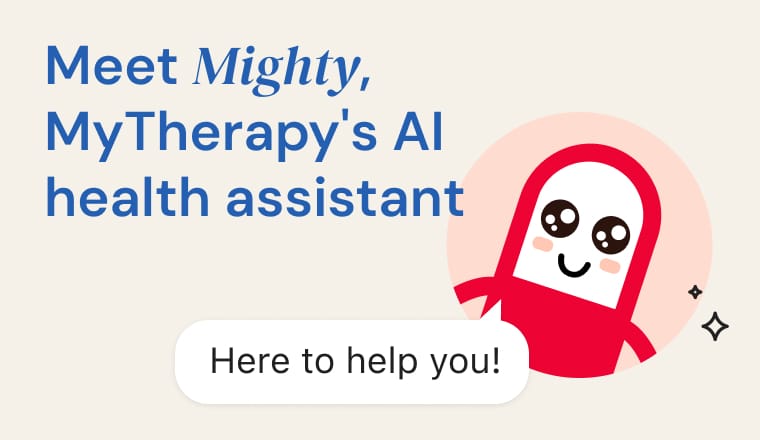
At smartpatient, we see this through Mighty, the AI health assistant embedded within the MyTherapy platform. Because it operates within a curated and medically grounded environment, it can translate complex clinical information into accessible language, reinforce clinician guidance, and support patients during high-risk moments—such as navigating long-term continuation of GLP-1 therapies.


Designing for Continuity


Direct-to-patient engagement has moved beyond experimentation.

Patient loyalty reflects long-term trust. Integration reduces structural friction. And AI is reshaping both discovery and ongoing support. For pharma leaders, the question is no longer whether DTP matters.

The real question is how to design patient ecosystems that deliver continuity, scalability, and credibility in a healthcare landscape that is increasingly digital, data-driven, and patient-centered.

Watch the Webinar Recording

To explore the full panel discussion and Ira’s complete perspective on designing integrated DTP ecosystem.

In a recent smartpatient webinar, Creating Patient Loyalty Through Integrated Direct-to-Patient Ecosystems, pharma leaders examined what it truly takes to build lasting patient relationships in chronic care.

Rather than focusing on tactics, the discussion centered on structural design: how pharma should architect long-term engagement when patients navigate years of complexity and evolving needs.

During the discussion, Ira von Arnim, Chief Commercial Officer at smartpatient, shared his perspective on patient loyalty, integrated DTP ecosystems, and the growing role of AI in patient support.

Below, Ira expands on that perspective.

Patient Loyalty Is a Design Decision, not a Campaign


In chronic care, loyalty cannot be reduced to engagement metrics or short-term activation spikes. Patients live with their conditions for years, sometimes decades. The systems designed to support them need to reflect that reality.

Yet many digital health initiatives still focus on isolated moments: onboarding flows, reminder intensity, or early adherence interventions. These are important, but they represent only fragments of a much longer journey.

From my perspective, patient loyalty emerges when support feels continuous rather than episodic. Patients need to experience coherence across stages of care. The ecosystem supporting them must evolve with their needs rather than reset at every milestone.

This changes how I believe pharma should think about direct-to-patient (DTP) investment.

The question should no longer be:
“How do we increase engagement this quarter?”

It should be:
“How do we design continuity across the full care trajectory?”


From Siloed Tools to Integrated Ecosystems

In my conversations with pharma partners, the core challenge is rarely the absence of digital tools. Pharma has invested significantly in education portals, adherence apps, reminder systems, and disease-awareness platforms. The challenge is integration.

Each tool addresses a specific friction point. But patients do not experience healthcare in fragments, they experience one continuous journey. When digital solutions remain siloed, they risk replicating the very fragmentation they are meant to solve.

An integrated ecosystem changes that dynamic.

When education, medication management, behavioral reinforcement, and clinician preparation are connected within a structured environment, support becomes continuous. Drop-off decreases not because systems react faster to disengagement, but because the friction that causes disengagement is removed in the first place.


Want the full strategic framework behind this shift? Watch the webinar recording to explore how integrated DTP ecosystems can be designed for long-term continuity.


Timing Matters: Reaching Patients Before Prescription


Another pattern I often see is that patient engagement initiatives begin too late.

In many therapeutic areas, patients spend years navigating symptoms before receiving a diagnosis. Deploying DTP strategies only at the prescription stage means entering the journey after many decisions and perceptions have already formed.

Take obesity and GLP-1 therapy as an example. Patients frequently conduct extensive research before initiating treatment. By the time therapy begins, expectations about effectiveness, side effects, and lifestyle impact are already shaped.

Earlier activation supported by intelligent data use and accessible digital entry points can strengthen health literacy, clarify treatment pathways, and prepare patients for more productive conversations with their clinicians. But early awareness alone is not enough.

If patients enter a digital ecosystem, that ecosystem must remain relevant as their needs evolve. Continuity is what transforms early engagement into lasting trust.

AI Is Reshaping the Front Door to Healthcare


Another major shift is happening in how patients access information.

Large language models are increasingly becoming the first stop when people explore symptoms, treatment options, or potential side effects. This changes where trust is formed and how medical information must be structured. Within integrated patient ecosystems, AI can play a different role.

Rather than acting as a general-purpose information engine, it becomes a tool for guided clarity.

At smartpatient, we see this through Mighty, the AI health assistant embedded within the MyTherapy platform. Because it operates within a curated and medically grounded environment, it can translate complex clinical information into accessible language, reinforce clinician guidance, and support patients during high-risk moments—such as navigating long-term continuation of GLP-1 therapies.


Designing for Continuity


Direct-to-patient engagement has moved beyond experimentation.

Patient loyalty reflects long-term trust. Integration reduces structural friction. And AI is reshaping both discovery and ongoing support. For pharma leaders, the question is no longer whether DTP matters.

The real question is how to design patient ecosystems that deliver continuity, scalability, and credibility in a healthcare landscape that is increasingly digital, data-driven, and patient-centered.

In a recent smartpatient webinar, Creating Patient Loyalty Through Integrated Direct-to-Patient Ecosystems, pharma leaders examined what it truly takes to build lasting patient relationships in chronic care.

Rather than focusing on tactics, the discussion centered on structural design: how pharma should architect long-term engagement when patients navigate years of complexity and evolving needs.

During the discussion, Ira von Arnim, Chief Commercial Officer at smartpatient, shared his perspective on patient loyalty, integrated DTP ecosystems, and the growing role of AI in patient support.

Below, Ira expands on that perspective.

Patient Loyalty Is a Design Decision, not a Campaign


In chronic care, loyalty cannot be reduced to engagement metrics or short-term activation spikes. Patients live with their conditions for years, sometimes decades. The systems designed to support them need to reflect that reality.

Yet many digital health initiatives still focus on isolated moments: onboarding flows, reminder intensity, or early adherence interventions. These are important, but they represent only fragments of a much longer journey.

From my perspective, patient loyalty emerges when support feels continuous rather than episodic. Patients need to experience coherence across stages of care. The ecosystem supporting them must evolve with their needs rather than reset at every milestone.

This changes how I believe pharma should think about direct-to-patient (DTP) investment.

The question should no longer be:
“How do we increase engagement this quarter?”

It should be:
“How do we design continuity across the full care trajectory?”


From Siloed Tools to Integrated Ecosystems

In my conversations with pharma partners, the core challenge is rarely the absence of digital tools. Pharma has invested significantly in education portals, adherence apps, reminder systems, and disease-awareness platforms. The challenge is integration.

Each tool addresses a specific friction point. But patients do not experience healthcare in fragments, they experience one continuous journey. When digital solutions remain siloed, they risk replicating the very fragmentation they are meant to solve.

An integrated ecosystem changes that dynamic.

When education, medication management, behavioral reinforcement, and clinician preparation are connected within a structured environment, support becomes continuous. Drop-off decreases not because systems react faster to disengagement, but because the friction that causes disengagement is removed in the first place.


Want the full strategic framework behind this shift? Watch the webinar recording to explore how integrated DTP ecosystems can be designed for long-term continuity.


Timing Matters: Reaching Patients Before Prescription


Another pattern I often see is that patient engagement initiatives begin too late.

In many therapeutic areas, patients spend years navigating symptoms before receiving a diagnosis. Deploying DTP strategies only at the prescription stage means entering the journey after many decisions and perceptions have already formed.

Take obesity and GLP-1 therapy as an example. Patients frequently conduct extensive research before initiating treatment. By the time therapy begins, expectations about effectiveness, side effects, and lifestyle impact are already shaped.

Earlier activation supported by intelligent data use and accessible digital entry points can strengthen health literacy, clarify treatment pathways, and prepare patients for more productive conversations with their clinicians. But early awareness alone is not enough.

If patients enter a digital ecosystem, that ecosystem must remain relevant as their needs evolve. Continuity is what transforms early engagement into lasting trust.

AI Is Reshaping the Front Door to Healthcare


Another major shift is happening in how patients access information.

Large language models are increasingly becoming the first stop when people explore symptoms, treatment options, or potential side effects. This changes where trust is formed and how medical information must be structured. Within integrated patient ecosystems, AI can play a different role.

Rather than acting as a general-purpose information engine, it becomes a tool for guided clarity.

At smartpatient, we see this through Mighty, the AI health assistant embedded within the MyTherapy platform. Because it operates within a curated and medically grounded environment, it can translate complex clinical information into accessible language, reinforce clinician guidance, and support patients during high-risk moments—such as navigating long-term continuation of GLP-1 therapies.


Designing for Continuity


Direct-to-patient engagement has moved beyond experimentation.

Patient loyalty reflects long-term trust. Integration reduces structural friction. And AI is reshaping both discovery and ongoing support. For pharma leaders, the question is no longer whether DTP matters.

The real question is how to design patient ecosystems that deliver continuity, scalability, and credibility in a healthcare landscape that is increasingly digital, data-driven, and patient-centered.

Learn how to increase patient adherence using digital tools.

Adherence Insights

Digital Tools

Practical Guide

Discover proven steps to build a PSP that works.

Case Study

Insights

Results

Gain actionable insights into diabetes treatment behavior.

RWE Report

Patient Data

AI Insights